People struggle with self-improvement because typical advice isn’t built for a busy life. The issue is an overload of theory without a practical plan. Current learning tools address this by breaking goals into manageable tasks and fitting them into your normal routine.
The following six platforms are leading examples of how to make personal growth more structured and less overwhelming.
Self-Improvement Apps That Make Progress Easier
Each app tackles the challenge differently. One focuses on science-backed daily habits, another on finishing a creative project in a month. The key is finding the method that clicks for you. Let’s look at the options, starting with one of the most structured and comprehensive.
1. RiseGuide
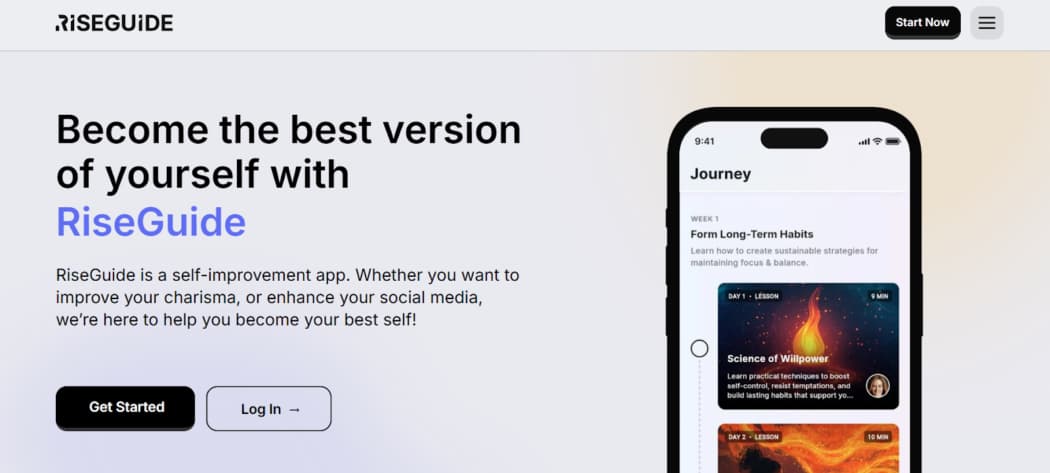
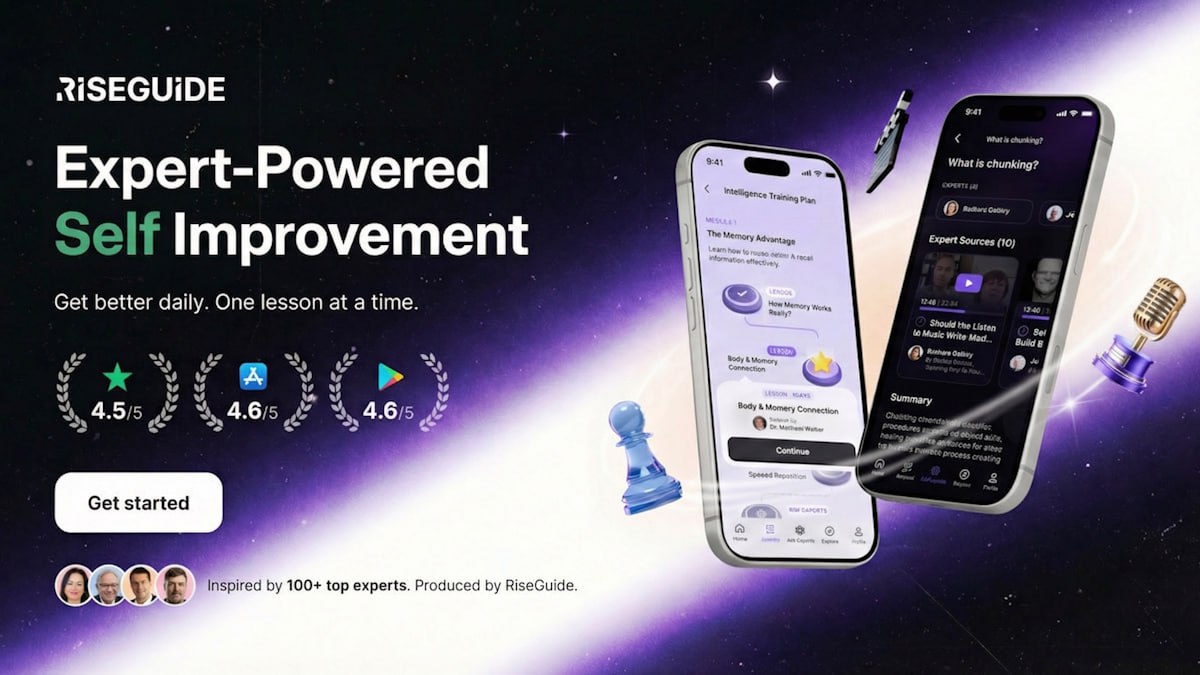
RiseGuide is a self-improvement application centered on micro-learning and daily progress. It provides lessons, covering key areas: communication skills, self-confidence, charisma, cognitive sharpness, and memory improvement. Users can select a dedicated development path in one area or combine lessons from multiple areas according to their current priorities.
The content is derived from established methods used by neuroscientists, published authors, elite performers, business strategists, and recognized leaders. Lessons avoid extended theoretical explanations and instead present concise, actionable steps suitable for daily practice.
The app includes SEEK, a search engine for expert knowledge. Users can enter specific questions and receive direct, sourced responses based on verified research and professional expertise.
Interactive features support practical implementation. The platform includes frameworks, cheat sheets, templates, exercises, daily to-dos, reinforcing quizzes, video materials, downloadable workbooks, and flashcards designed to turn learning into action.
Key Features
- Daily bite-sized lessons across communication, confidence, charisma, intelligence, and memory.
- Expert-powered content based on trusted research and professional insight.
- SEEK search engine for direct, research-backed answers to specific questions.
- Practical application tools: frameworks, templates, cheat sheets, exercises, and daily to-dos.
- Reinforcing quizzes, video materials, downloadable workbooks, and flashcards.
- Explore section with access to a wider library of expert-driven lessons.
2. Studio.com
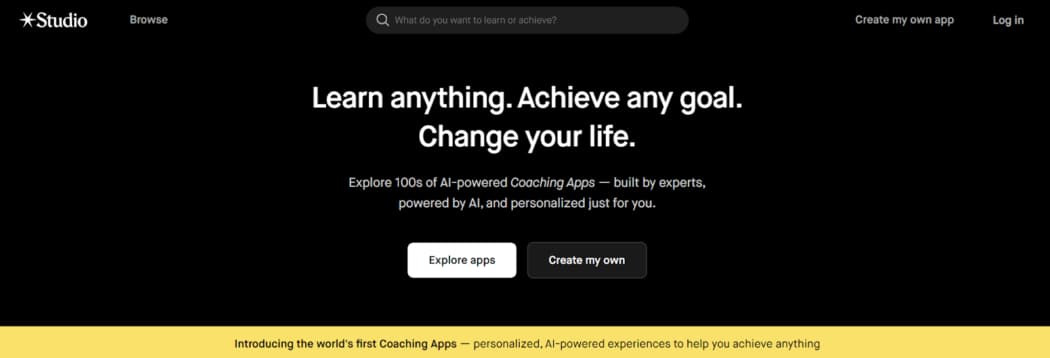
Studio.com is an online platform for learning creative skills. Their courses are 30 days long and all project-based. You don’t watch lectures — you build one real thing the whole time: a song, a short film, some design work, a photo set. People who actually work in those fields guide you with daily steps.
You post your progress, and other students check it out and comment. It’s set up so you create every day and finish with something you can use, plus you get a lot more sure of yourself because you’ve done the work.
Key Features
- 30-day guided project courses.
- Instructors are active, working creatives.
- Daily hands-on assignments.
- Focus on finishing original work.
- Community for feedback & connection.
3. Masterclass
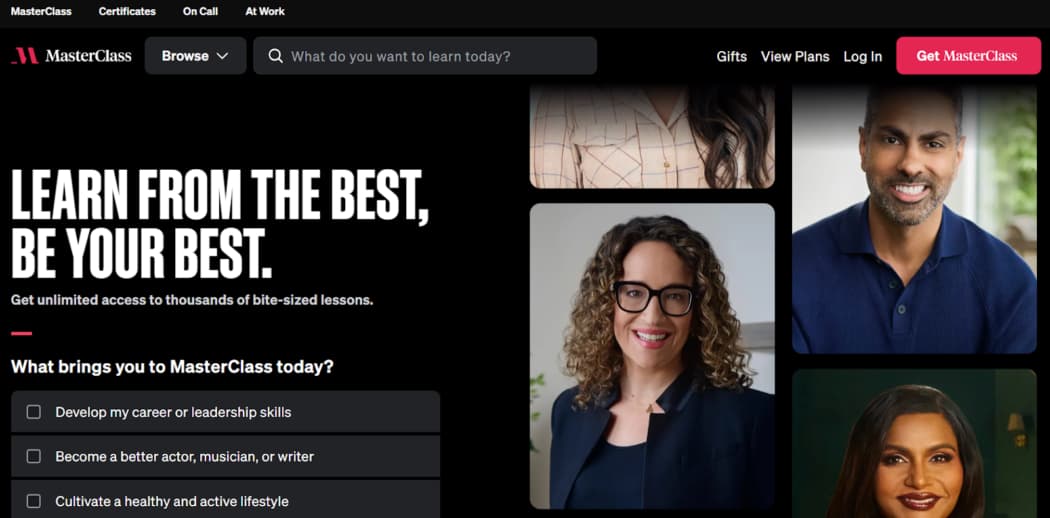
MasterClass is a paid streaming service with video courses. Teachers are celebrities and top professionals in their areas. You can watch everything in the library as much as you want. Classes focus on how these people do what they do — their routines, strategies, key lessons from experience.
It shot like a TV special. Comes with PDF workbooks for reference or practice. Used by people looking to pick up knowledge, improve in a hobby, or get perspective from the best.
Key Features
- Celebrity teachers: Gordon Ramsay, Serena Williams, Neil Gaiman, Martin Scorsese + more.
- High-quality videos: Cinematic, story-driven format.
- Single subscription: Stream the entire 200+ catalog.
- Course workbooks: Downloadable guides.
- On-demand access: Short lessons anytime, mobile/desktop/TV.
4. Mindvalley
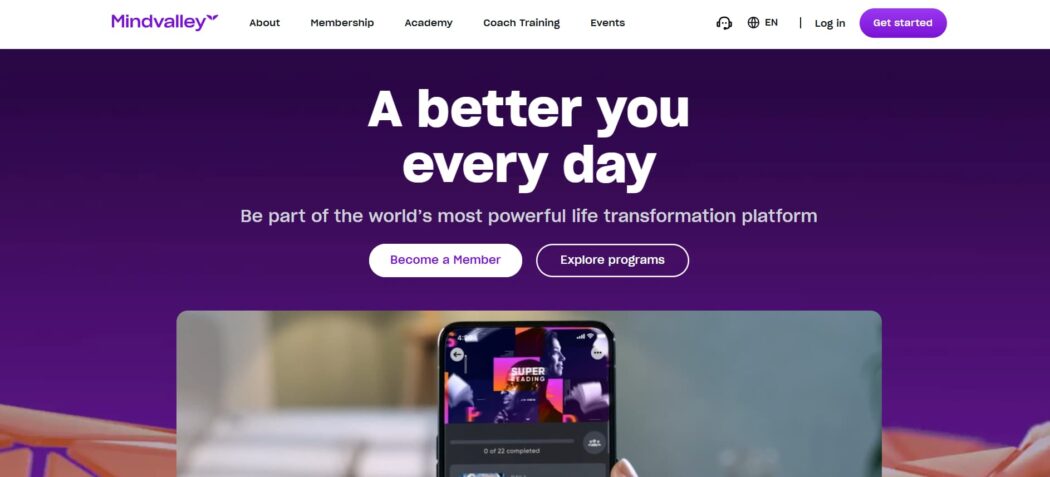
Mindvalley offers personal development content through daily micro-lessons. Their programs are called Quests — 20-minute sessions you do every day. Focuses on mindset, physical health, relationships, and getting things done. Comes from well-known instructors.
Has community support and consistent practice built in. Aims for real changes that last in personal and professional life.
Key Features
- Short daily lessons: ≤20 min, built for habit formation.
- Broad scope: Mind/body/soul/work — meditation, fitness, entrepreneurship, parenting.
- Worldwide network: Community forums and live sessions.
- Top instructors: Vishen Lakhiani, Jim Kwik, Lisa Nichols + more.
- Organizational option: Team programs for leadership and workplace skills.
5. Imprint
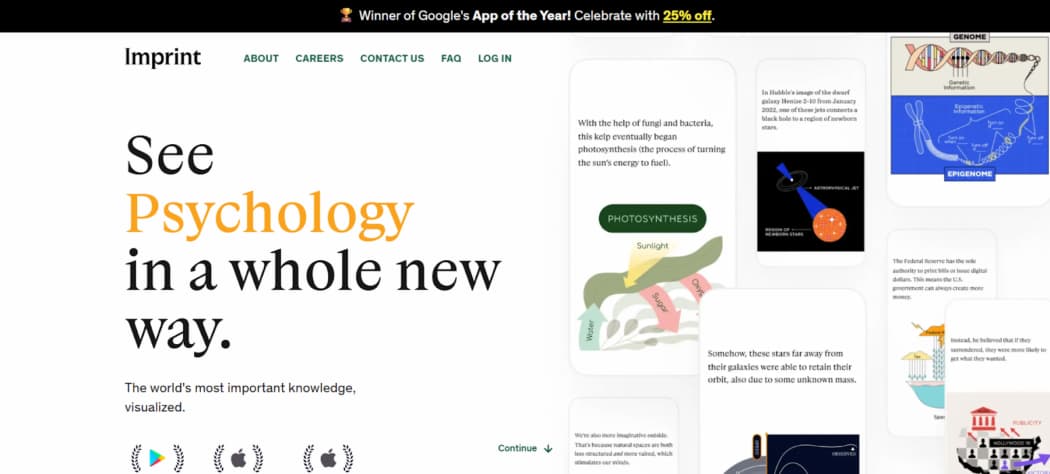
Imprint is a visual app that takes big books, tough topics, and ideas from smart people and turns them into short visual lessons. Topics from psychology, philosophy, business, and history — they boil it down to the main points.
Uses animations, infographics, and simple explanations. You watch or scroll through for a few minutes a day. Built for daily use, so you pick up new ideas without it taking much time or effort.
Key Features
- Visual animations: Clarify hard concepts with graphics.
- Short summaries: Main ideas in 10 minutes.
- Structured paths: Productivity, finance, great thinkers sequences.
- Daily quizzes: Reinforcement for memory.
- Quick & consistent: Designed for short daily use.
6. Blinkist
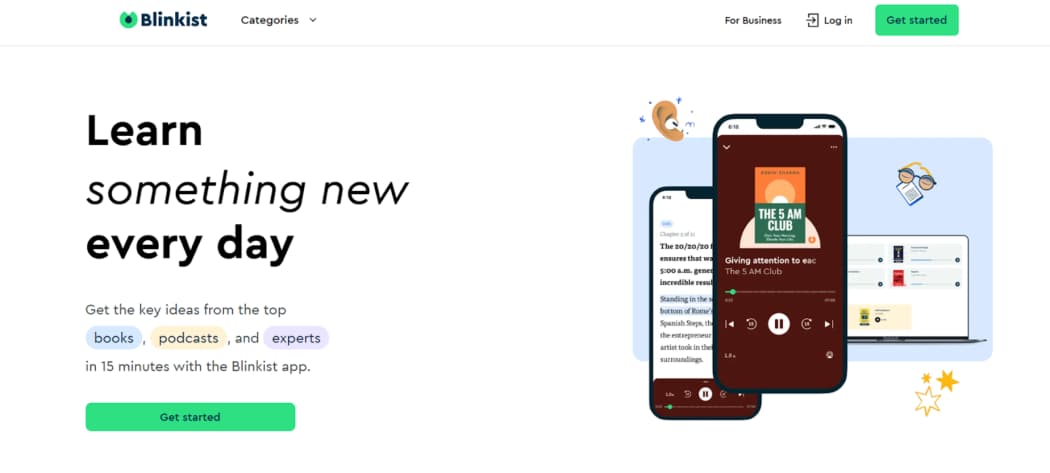
Blinkist is a leading micro-learning app that distills the core insights from thousands of nonfiction books into concise, 15-minute summaries called “Blinks,” available in text or audio.
It’s designed for the curious but time-pressed learner, offering an efficient way to explore key ideas across business, psychology, personal growth, and more, transforming book knowledge into quick, digestible lessons that fit into any daily routine.
Key Features
- 15-min book/podcast summaries: Core content in text or audio.
- Broad library: Thousands of topics covered.
- Listen on the go: Suits commutes, workouts, downtime.
- Personalized feed: Suggestions matched to your interests.
- Flexible access: Mobile + desktop, multi-language options.
What Makes Self-Improvement Manageable
Most people fail because they start too big. They buy a thick book or plan two hours a day, then drop it when life gets busy. The apps that actually work don’t push you to do more. They make little progress automatic so you keep going without burning out.
They use four main things:
- Break tasks into tiny pieces. Not “learn business” — just a 5-minute lesson on one email trick. Your brain handles short wins better than long-term theory.
- Give the exact next steps. No figuring it out. The app says: watch this 8-minute video, then try this one thing today.
- Fit into your normal day. Lessons or tasks during commute, coffee, before bed — audio or quick stuff that doesn’t need extra time.
- Show clear proof you’re moving. Check off days, finish mini-projects, and see streaks. That keeps you going when the first excitement fades.
It’s not about finding more time. It’s using the time you have way better. The apps below each handle this formula a bit differently.
Conclusion
The most effective self-improvement method is the one you can maintain regularly. The platforms listed focus on short sessions, structured steps, and practical use instead of large amounts of content.
They reduce barriers so learning fits into daily routines. Steady participation matters more than occasional intense effort. The main decision is choosing the one that matches your schedule, learning preferences, and goals.